Tra presenza e dissolvenza - Between Presence and Fading
In Conversazione con Roberto Galati e Francis Gri - In Conversation with Roberto Galati and Francis Gri - ita/en text

Quella che segue non è una semplice intervista con domande e risposte: questa è forse la conversazione più lunga che mai ha riempito le molte pagine fisiche e virtuali scritte in anni di trincea all’inizio musicale, in seguito sonora e sonica. Con Roberto Galati e Francis Gri abbiamo scavato a fondo, parlando anche di: "Drift", il loro album da poco pubblicato, una soglia tra presenza e dissolvenza, un dialogo lento e nitido che tiene insieme timbri, silenzi e un’idea antica di ascolto condiviso.
“Drift” sembra muoversi lungo un confine instabile tra presenza e dissolvenza. Quanto è stato difficile mantenere quell’equilibrio senza cedere alla tentazione di “spiegare” troppo.
Roberto Galati: L’idea di fondo, per me, è sempre un punto di partenza aperto a molte possibilità. Nulla è definito fino al punto di creare un percorso da seguire. Non c’era, né da parte mia né credo da parte di Francis, l’intenzione di spiegare nulla, ma solo di suggerire una possibile direzione, di lasciar accadere le cose, di vedere dove ci avrebbe portato il suono. Credo che quell’equilibrio tra presenza e dissolvenza sia nato proprio dall’incontro tra me e Francis. Due mondi diversi che, in modo del tutto naturale, hanno trovato un punto comune. Non è stato un processo ragionato, è successo. È stato come un dialogo continuo, dove a volte uno dei due avanzava e l’altro si ritraeva, e poi i ruoli si invertivano. Quello che tu chiami confine, io lo percepisco come un flusso. Un movimento che si espande e si contrae, che trova il suo equilibrio proprio nel non restare fermo. Drift nasce da questa alchimia che si è creata tra noi due e che ha dato ai brani un preciso equilibrio.
Francis Gri: Se dovessi descrivere in due parole il modo in cui abbiamo lavorato per realizzare questo lavoro, direi semplicità e naturalezza. Ad oggi ho avuto modo di collaborare con molti artisti e devo dire che sono veramente pochi gli album riusciti senza piccole frenate, come “Drift”: un flusso unico dalla prima nota all’ultima, che trova un perfetto equilibrio tra i nostri due mondi sonori, che — per chi ci conosce individualmente — sa che sono piuttosto differenti. “Drift” è una magia che ancora adesso, riascoltandolo, mi stupisce per tutto quello che riesce a esprimere.
Conosco Roberto da anni, eppure non ci siamo mai proposti di realizzare qualcosa insieme fino a inizio 2024… ed eccoci qui a parlare di una bellissima nascita.
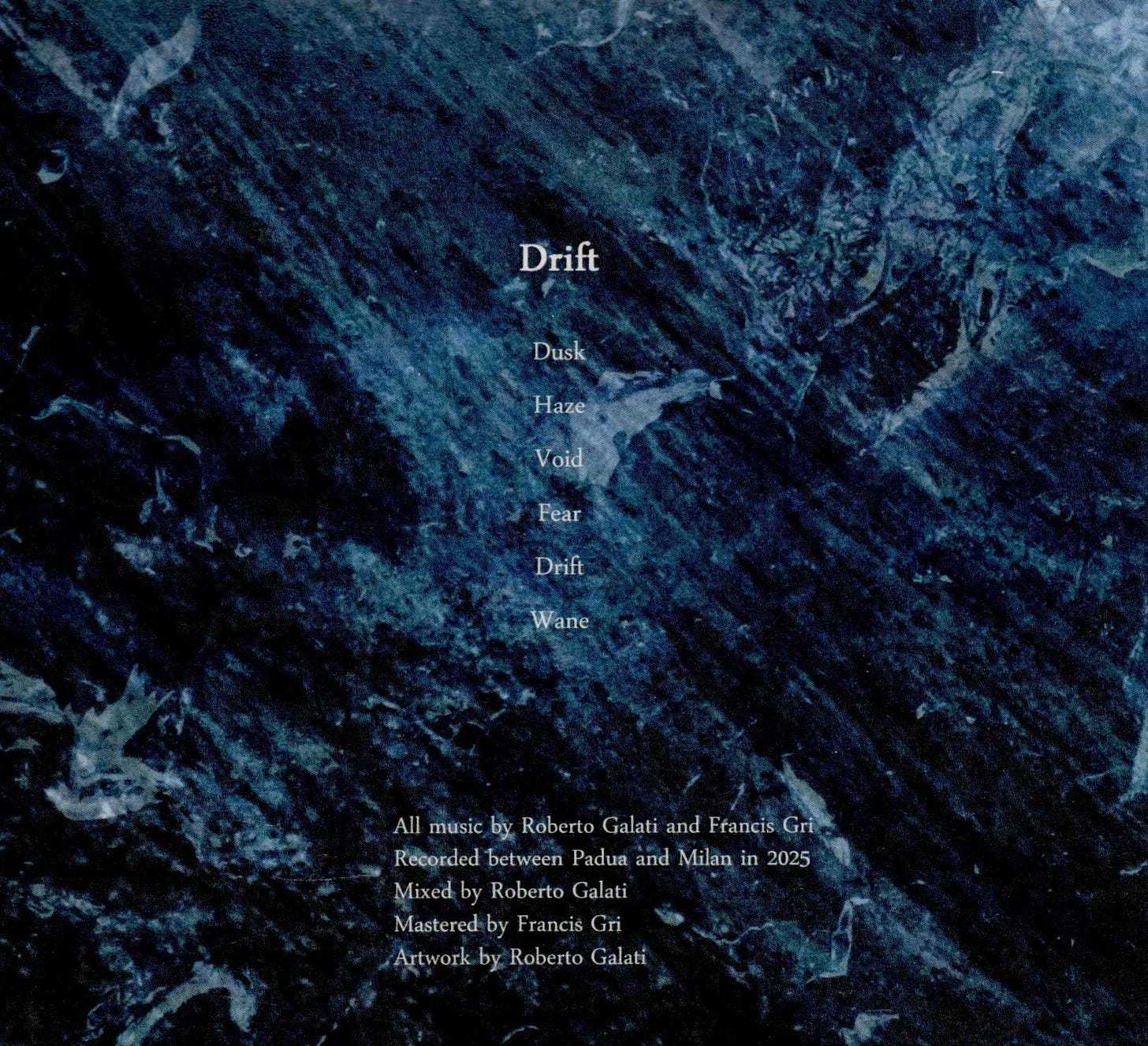
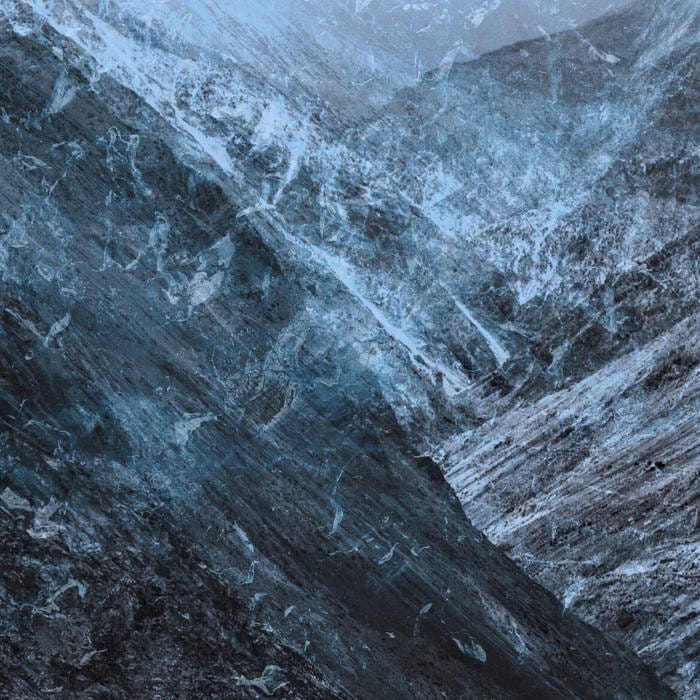
La copertina blu come un’onda che travolge. È un’immagine di resa o di purificazione?
RG: Direi di resa, ma nel senso più alto del termine. Una resa consapevole, non passiva. Accettare di essere dentro un movimento più grande di te, senza tentare di fermarlo. È una forma di lucidità, non di rassegnazione. È come dire: “non posso oppormi alla corrente, ma posso imparare a muovermi dentro”. La copertina nasce da alcune immagini di montagna che ho voluto trasformare. Le ho sovrapposte e alterate fino a renderle irriconoscibili, poi le ho immerse in un blu profondo, quasi liquido. Da quella materia solida è nata l’idea di un oceano in tempesta, come se la terra avesse perso la propria forma e si fosse dissolta nell’acqua. Quel blu non è solo un colore, è una condizione. Rappresenta la perdita di orientamento, ma anche la possibilità di muoversi dentro ciò che si muove, senza opporsi. Drift nasce da questa immagine, il momento nel quale tutto sembra sfuggire, ma invece di resistere provi a comprendere il senso del movimento, a trovare un equilibrio nella deriva.
FG: Potrebbero essere entrambe. Viviamo in un mondo dove la resa è spesso vista in chiave negativa, ma io credo che sia, in un certo modo, legata alla purificazione.
Solamente quando ci arrendiamo agli eventi della vita siamo in grado di trovare il nostro centro più interiore — chiamala anima, se vuoi — quel punto tra presenza e dissolvenza (citando le tue parole) dove tutto fluisce, rendendoci finalmente in pace con noi stessi e con il mondo.
L’arte è, per me, la chiave per progredire lungo questo percorso di ricerca, e ogni album, visto a posteriori, ha per me un significato molto più profondo di quello che in realtà vivo nel momento della sua genesi.
La bellissima immagine di copertina dell’album, realizzata da Roberto, penso raccolga perfettamente il senso di questo lavoro, e sono curioso di vedere, tra qualche anno, quando riprenderò in mano questo album, quali significati saliranno a galla.
Nel descrivere la fragilità del presente avete scelto di non cercare approdi. Ma nella vostra scrittura musicale, esiste ancora un luogo che chiamereste “casa”?
RG: “Casa” è un luogo interiore. È il punto dal quale tutto nasce, è il desiderio di scrivere, di comunicare, di trasformare ciò che vivo in suono. Ci sono molti linguaggi, ma sono solo mezzi. “Casa” è il modo in cui sento di voler raccontare, è ciò che voglio trasmettere. Seguo il flusso degli eventi, mi lascio cambiare, e quello che cambia in me si riflette nella musica. Ci sono poi posti fisici che mi aiutano a ritrovare quella condizione di “casa”. La casa di famiglia sull’altopiano carsico è un luogo silenzioso, dove suono, leggo, penso molto. In quella casa ho composto gran parte delle idee di Drift, poi sistemate a Padova. Quando vado a Trieste mi porto strumenti, libri e silenzio. In quel silenzio riaffiora tutto, è riaffiorata anche la sensazione di deriva che attraversa il disco.
FG: Rifletto spesso sul concetto di radici e di casa, e mai come in questo periodo storico si stanno violando questi due aspetti che trovo fondamentali per l’equilibrio di un individuo. Tutto questo movimento ha indebolito, a mio parere, la nostra identità.
Ormai siamo alberi con radici corte, e ci basta un soffio di vento un po’ più forte per spezzarci.
Il mio passato mi ha portato ad essere un individuo con radici corte, e di questo spesso ne soffro, ma per fortuna ho scoperto la musica, che è diventata la mia casa, dove sentirmi al sicuro.
Una casa con diverse stanze, ognuna con un suono tutto suo e una sua identità specifica.
Ma, come da bambino c’era un luogo dove preferivo giocare, anche in questa casa eterea esiste un luogo nascosto dove mi rifugio quando ho bisogno di ritrovare le mie radici perdute.
Si percepisce una malinconia sottile che attraversa tutto il disco, ma non sfocia mai nel rimpianto. È un effetto consapevole o qualcosa che vi portate dentro da sempre.
RG: Credo che la malinconia sia sempre stata presente in tutto ciò che ho fatto. Non è una malinconia scelta, è parte di me, è una tonalità di fondo che emerge naturalmente. Ma, per me, non è tristezza. È memoria, consapevolezza di ciò che passa. È il modo in cui guardo le cose quando smettono di essere eterne. Quando guardo indietro non provo rimpianti. Ho sempre dato spazio al mio modo di sentire, nei viaggi, nella musica, nelle parole che ho scritto lungo la strada, nelle fotografie. Ho sempre cercato di vivere con curiosità, con sguardo attento, senza lasciar passare nulla distrattamente. Certo, ho fatto delle scelte, e forse la mia vita avrebbe potuto prendere altre direzioni, ma questa, così com’è, mi appartiene. Quella malinconia è solo una sfumatura del mio sguardo.
FG: Fortunatamente il rimpianto non è un’emozione che mi accompagna spesso. Forse perché, fin da ragazzo, ho sempre pensato che tutte le cose che ho fatto in passato non sono modificabili e che la persona che oggi giudica quel determinato fatto è comunque diversa dalla persona che era ieri, e quindi vivere il rimpianto non ha assolutamente senso.
Quindi, giuste o sbagliate che fossero, le cose che ho fatto o detto sono il risultato di una concatenazione di eventi che mi hanno portato a dire, fare, reagire in quel determinato modo. Come hai giustamente avuto modo di percepire, la malinconia che senti non è frutto di quella emozione, ma semplicemente un mio modo di essere in questo mondo.
Sono sempre più convinto che la felicità, in questo mondo, sia sinonimo di stupidità, perché basta avere un minimo di spirito critico e di osservazione per capire che c’è davvero poco da sorridere in questa vita. La serenità, invece, è tutt’altra cosa: è un luogo nascosto a cui molti ambiscono e che pochi trovano realmente. Io penso che la malinconia non sia altro che la strada percorsa da chi sta cercando questa serenità. Una strada tortuosa, piena di buche, finte scorciatoie e vicoli ciechi, che molti troveranno inutile, ma che per me vale la pena almeno tentare di percorrere.
Francis Gri
Avete parlato di “musica come corrente”. È possibile per voi distinguere ancora l’autore dal flusso?
RG: Quando parlo di “corrente” penso a qualcosa che ti attraversa. L’autore non scompare, ma si fa da parte. Il flusso ti ridimensiona, ti obbliga ad ascoltare, a capire quando intervenire e quando tacere.
Nel caso di Drift ho sentito spesso che i suoni si muovevano da soli, ma non perché io o Francis non ci fossimo. Forse l’autore non è separato dal flusso, ma è colui che lo osserva e cerca di non deviarlo troppo. E quando il brano finisce ti accorgi che una parte di ciò che è accaduto non dipendeva più da te. È così che nasce la musica, almeno per me. In Drift questa corrente è diventata il punto d’incontro tra me e Francis. A un certo punto le singole parti si sono perse, come se la musica avesse trovato da sola il suo equilibrio. Quello che ne è uscito non appartiene più a nessuno dei due, è qualcosa che ci contiene entrambi, e va oltre. Forse è questo, per me, il senso della corrente, quando il suono non rappresenta più chi lo crea, ma diventa uno spazio comune nel quale tutto si unisce e trova un suo equilibrio.
FG: Ricordo che, all’inizio della descrizione di presentazione dell’album realizzato con Federico Mosconi, avevamo inserito la formula “1+1 = ∞”. Ed effettivamente, come era accaduto per quell’album, che ancora riascolto con estremo piacere, anche per “Drift” è stato così.
A parer mio, una collaborazione funziona veramente quando il suono prende una terza direzione, che si distingue dagli altri due.
Gli autori si fondono quindi con il nuovo flusso, e non ha più senso distinguere chi ha fatto cosa, perché a quel punto gli autori, in un certo senso, si annullano, generando qualcosa di nuovo. Spesso, invece, quando c’è disequilibrio, accade che si senta più la mano di un musicista, ma credo che per “Drift” sia nata quella magia che si può descrivere con la formula “1+1 = ∞”
“Drift” sembra costruito più sull’ascolto reciproco che sulla direzione. C’è stato un momento preciso in cui avete capito che la vostra comunicazione musicale funzionava?
RG L’ascolto è tutto. È la base del mio modo di vivere, non solo di fare musica. In questo caso l’intesa con Francis è stata immediata. Mi ha colpito come lui abbia saputo dare spessore alle bozze dei brani di Drift, arricchirle. Il risultato è un perfetto equilibrio tra i nostri mondi. Al di là del fatto che possa piacere o meno, è un disco al quale tengo moltissimo per questo motivo; la musica, se condivisa con le persone giuste, acquista valore. C’è poi da dire che Drift è nato in un modo assolutamente imprevisto e spontaneo. Lo scorso Natale avevo cominciato a lavorare ad alcune idee, ispirato da un disco di Francis che mi aveva colpito per suoni e atmosfere. Ho lasciato decantare quelle bozze, finché un giorno di gennaio mi ha chiamato Francis e alla fine della telefonata mi ha proposto di fare un disco insieme. Gli ho parlato di quei brani nati proprio dall’ascolto di un suo lavoro, e così è iniziato tutto. È stato un processo velocissimo e naturale. Francis ha lavorato di getto, io pure. Entrambi ci siamo stupiti di come stesse prendendo forma. Evidentemente avevamo atteso così a lungo che, quando uno dei due ha pronunciato l’idea di fare un disco insieme, quel disco sembrava già esistere. Questo va oltre l’ascolto reciproco, è perfetta intesa musicale. Esattamente come avvenne con i dischi che ho suonato insieme a Federico Mosconi.
FG: Quando Roberto mi ha fatto ascoltare le sue parti, avevo abbastanza chiaro in testa una certa direzione musicale. Avevo voglia di riprendere in mano quelle sonorità più elettroniche dei miei primi lavori, e così è stato, perché dalle prime note ho capito che l’idea si poteva concretizzare nella realtà.
Solitamente è abbastanza comune dedicare un’intera sessione di registrazione a ogni singolo brano, ma in questo caso ho messo tutte le bozze di Roberto una dietro l’altra e ho registrato tutto in un unico progetto, rendendo il lavoro ancora più omogeneo e compatto.
È stato un approccio molto istintivo, in linea con l’approccio attuale alla composizione che dedico ai miei lavori solisti.
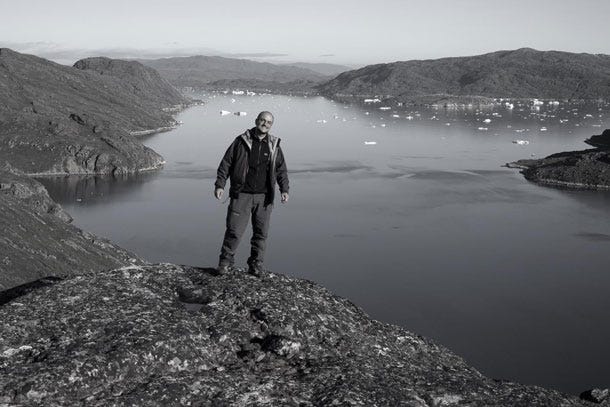
Roberto Galati
In questo album convivono chitarre e tessiture elettroniche che non si fondono del tutto, restano distanti ma solidali. È una metafora del presente o un gesto puramente estetico?
RG: Forse le due cose coincidono. È come se i suoni dialogassero pur restando a distanza di sicurezza. Si riconoscono, ma non si fondono del tutto. Forse può anche essere la metafora del mondo nel quale viviamo, connesso ma fragile, ma io lo vedo più come un equilibrio fatto di spazi, di accenti che cambiano, come un paesaggio attraversato dalla luce, da diverse luci. Ogni suono ha la sua forma, la sua voce, ma ciò che conta è il loro alternarsi, uno avanza, l’altro arretra, poi si scambiano, come onde. Certo, chi entra in questo paesaggio sonoro può cogliere prospettive e sensazioni diverse, come quando la luce cambia e ogni cosa rivela un contorno nuovo.
FG: Mi piace pensare che ogni lavoro sia in realtà un racconto non scritto ma suonato, dove ogni personaggio è un suono o uno strumento.
A seconda della storia che si vuole raccontare, ogni personaggio/strumento ha il suo spazio e la sua posizione all’interno del racconto.
Quando si scrive un racconto, spesso si ha un’idea generale, ma poi, magicamente, le parole fluiscono da sole e la storia si sviluppa quasi in uno stato di trance: i dettagli prendono forma e tutto poi diventa sempre più chiaro e lucido. Lo stesso è stato per “Drift”: ogni suono è stato posizionato con cura per raccontare una storia specifica che ogni ascoltatore potrà decodificare a modo suo.
Questo è il bello dell’arte astratta: regalare spunti che poi ognuno può interpretare a modo suo.
Cosa significa oggi per voi “bellezza” e scusatemi se uso questo termine ormai sbranato dal mainstream, quando tutto intorno sembra disfarsi?
RG: La bellezza esiste comunque, è nel mondo, nelle cose. Siamo noi il rumore di fondo che spesso la copre. Nei miei giornali di viaggio annoto spesso le sensazioni che provo davanti a certi paesaggi, montagne, valli, ghiacciai, deserti. Mi accorgo che uso tantissimo la parola bellezza. Non potrei negarla, sarebbe come negare una parte di me. A volte è talmente intensa da diventare difficile da contenere. Nei miei viaggi mi succede spesso di fermarmi lungo la strada, di restare immobile a guardare, sopraffatto da ciò che vedo. Ci sono momenti nei quali tutto sembra farsi insostenibilmente bello, come se il mondo volesse ricordarti la sua forza. La bellezza però non consola, ti mette di fronte a quanto sei piccolo. E proprio in quella sproporzione trovo la mia misura.
FG: Trovare bellezza al giorno d’oggi è davvero un’impresa complicata. Sembra che ci stiamo impegnando per distruggere gradualmente tutto quello che di buono è stato fatto finora…
In città, poi, è tutto molto più evidente: si sono persi molti valori fondamentali e ogni singola cosa sta diventando la brutta copia di quello che era. Però non è tutto da buttare: esistono ancora piccoli angoli di bellezza recondita in questo mondo, esistono ancora persone con un certo tipo di sensibilità e desiderio di vivere in un modo diverso da quello che la società ci propone.
Il nostro occhio può vedere il bianco, il nero, ma anche le sfumature. È giusto avere spirito critico, ma poi il rischio è quello di ristagnare nella lamentela, che è uno sport contagioso.
Ricercare la poesia nelle piccole cose è forse il modo migliore per arrivare a fine giornata e chiudere gli occhi serenamente.
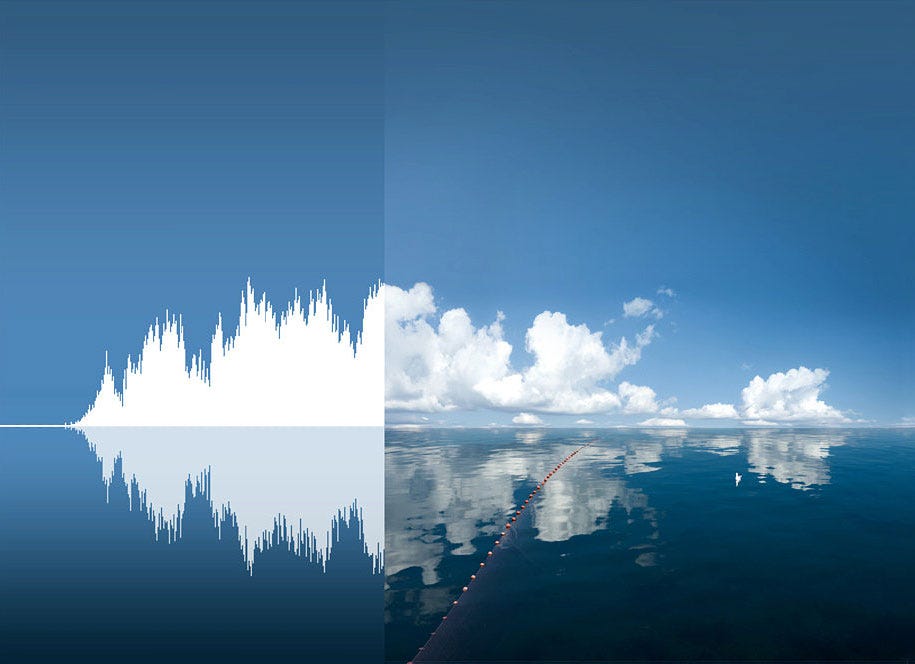
Le pause, i silenzi, gli spazi tra le note: come decidete quando lasciar parlare l’assenza?
RG: Già in partenza i brani erano essenziali. In fase finale abbiamo tolto ancora qualcosa, ma con misura. Mi piace come siamo riusciti a ottenere una sensazione di armonia con pochissimi elementi. Di solito lavoro con decine di tracce, ma qui la semplicità ha vinto. È la magia di una collaborazione riuscita. Il silenzio poi, per me, non è vuoto ma uno spazio pieno. È uno spazio che tiene insieme le cose, che permette al suono di compiersi. Nei brani di Drift le pause non sono mai un vuoto, ma un punto nel quale il suono si ferma per lasciare emergere ciò che resta. È lo stesso principio che sento anche fuori dalla musica. Nel mio blog parlo spesso del silenzio come di una ricerca continua. Questa attenzione al silenzio nasce da lontano. Non so quando ho cominciato davvero a cercarlo, forse nei deserti di ghiaccio della Groenlandia, forse nei monasteri dell’Asia, o più semplicemente sul Carso, nella casa di famiglia. Il motivo ricorrente è sempre stato quello, il silenzio. Non quello assoluto, che non esiste, ma quello che si nasconde nei vuoti tra i rumori, negli spazi lasciati liberi. È il silenzio delle terre che ho attraversato, ma anche quello interiore, che consente di guardare più a fondo e di ascoltare con maggiore attenzione. In Drift abbiamo provato a restituire questa stessa condizione, abbiamo lasciato che il suono e il silenzio convivessero, che si ascoltassero a vicenda. Credo che il vero equilibrio, nella musica come nella vita, sia proprio sapere quando tacere per far parlare ciò che resta.
FG: Ci sono delle cose che non si possono spiegare a parole e, almeno per me, semplicemente accadono. Gli spazi tra le note sono intervalli di silenzio che regolano il procedere di un flusso. Ogni individuo ha il suo ritmo interiore: lo si può vedere nel modo di parlare, di muoversi, di camminare, di eseguire un determinato gesto.
Nella musica è lo stesso: esprimiamo sempre noi stessi, solo in un linguaggio diverso.
C’è un filo di paura (“Fear”) che attraversa la sequenza dei brani. Quale tipo di paura avete voluto raccontare?
RG: È la paura di essere alla deriva, di vivere in un momento storico che cambia in peggio giorno dopo giorno. Ma la paura che attraversa Drift non vuole essere spettacolare. È più sottile, è la sensazione di restare senza appigli, di non sapere quale sia la direzione. È la paura di sentirsi impotenti. Ma forse la chiamerei anche paura dell’ignoto. L’oceano della copertina nasce da questa sensazione, è un paesaggio che si apre e ti chiede di accettare la sua vastità. Le onde alte non sono solo minaccia; ricordano che esiste una forza più grande di noi e che, a volte, l’unica cosa possibile è stare a galla e ascoltare. Non è rassegnazione. È un’attenzione diversa. La paura, se non la neghi, ti obbliga a fare delle scelte, a reagire. La deriva fa paura perché toglie controllo. Ma ogni volta che smetti di opporti e provi a lasciarti andare nella corrente, qualcosa cambia. Non sai dove ti porta, però capisci come conviverci. In Drift forse la paura è questo passaggio, dall’urto iniziale al momento nel quale l’ignoto non è più solo minaccia, ma spazio nel quale imparare a muoversi.
FG: Credo che la paura che attraversa “Drift” non sia quella legata al pericolo o alla minaccia, ma qualcosa di più sottile e intimo: la paura del cambiamento, del lasciarsi andare, del non sapere dove ci porterà il flusso. È una paura che convive con la bellezza, che a volte la accompagna.
Nel nostro percorso sonoro non c’è mai stata l’intenzione di respingerla, ma piuttosto di accoglierla come parte del viaggio.
È quella sensazione sospesa che si prova quando ci si ferma tra una nota e l’altra, quando il silenzio diventa presenza. In fondo, è proprio in quel fragile equilibrio tra timore e abbandono che, per me, nasce la musica più sincera.

Odilon Redon - Silence
In un’epoca dominata dalla velocità e dal rumore, come si colloca un lavoro che invita a “lasciarsi andare” al tempo lento dell’ascolto?
RG: È un lavoro in controtendenza, assolutamente. Ma non potrei fare altrimenti, questo è il mio modo di raccontare. È il mio modo di comunicare. E anche di Francis. Negli anni ho imparato a riconoscere la bellezza della lentezza. I viaggi in luoghi lontani, dove il tempo sembra quasi fermarsi, mi hanno insegnato che ogni cosa ha un suo ritmo e una sua importanza. È in quei luoghi che ho capito quanto il silenzio possa essere pieno, quanto uno spazio vuoto possa contenere tutto. Fare musica, per me, è lo stesso, è rallentare per ascoltare davvero, non solo il suono ma anche ciò che lo circonda. In Drift questo atteggiamento credo si senta, non c’è fretta, non c’è urgenza di arrivare. Ogni brano è un piccolo paesaggio che si apre lentamente, che ti chiede di fermarti, di osservare.
FG: Viviamo in un’epoca in cui tutto corre troppo in fretta e l’ascolto, quello vero, è diventato un gesto raro. Drift nasce proprio come un invito a rallentare, a ritrovare uno spazio interiore dove il tempo non è più una corsa ma un respiro.
Lasciarsi andare al tempo lento dell’ascolto significa concedersi la possibilità di percepire le sfumature, i silenzi, le piccole imperfezioni che danno vita e verità al suono.
Credo che oggi serva più che mai un ritorno alla lentezza — non come nostalgia, ma come atto di presenza. È solo quando smettiamo di inseguire che possiamo davvero incontrare qualcosa, anche dentro di noi.
“Drift” sembra avere una trama più emotiva che narrativa. Vi interessa ancora la forma del “concept” o preferite abbandonare qualsiasi struttura?
RG: Drift è quasi interamente emotivo. In altri lavori ho seguito trame più definite, qui abbiamo lasciato che il flusso decidesse. Amo la logica del “concept” quando nasce come modo per raccontare un pensiero. Ma in Drift quel percorso non poteva essere lineare, non c’era un punto di partenza né uno di arrivo. Ogni brano è un passaggio, un cambio di luce. È un disco che non vuole spiegare, ma evocare. Anche nei miei viaggi e nei testi che scrivo cerco sempre la stessa cosa, non un racconto compiuto, ma un frammento di verità, un momento che rivela qualcosa e poi scompare. Drift è anche quel momento.
FG: Dipende dal tipo di lavoro. Generalmente, quando lavoro su un mio album solista, il concept è fondamentale, ancora di più negli ultimi lavori, dove allego all’interno del CD una breve storia per descrivere il progetto.
I titoli dei brani perdono di importanza, perché è il titolo dell’album a dare significato a tutto.
Mi piace pensare che l’album sia come un quadro: un pezzo d’arte unico e non una semplice raccolta di opere. Per le collaborazioni, invece, è tutto diverso: la forma del concept generalmente non esiste e si lavora liberamente, focalizzandosi sulle emozioni sonore.
La particolarità di “Drift”, però, è che, nella sua struttura omogenea, potrebbe funzionare anche come un unico brano di 33 minuti, e quindi è sicuramente un piccolo concept emozionale, che vuole raccontare attraverso le immagini.
Questa instabilità che cercate di tradurre in suono riguarda più il mondo esterno o la vostra interiorità?
RG: Per me parte sempre dal mondo esterno. Viviamo in un’epoca che si disgrega, e nella quale il rumore tende a coprire tutto. Ma io credo che proprio da questo disordine nasca la necessità di ascoltare di nuovo, la terra, i luoghi, i silenzi, ciò che resta autentico. Nei miei viaggi ho imparato che il mondo naturale non consola, ma rivela. Ti mette di fronte alla tua misura, al tempo vero delle cose, quello che non puoi accelerare. E’ da qui che nasce anche la mia musica. In Drift quella instabilità si traduce in suono. È lo stesso smarrimento che si prova davanti al mare o alla montagna, forze immense che ti superano e, proprio per questo, ti restituiscono una forma di equilibrio. La corrente, il movimento, l’assenza di punti fermi, tutto questo per me è un modo di riconoscere che l’uomo non è al centro, ma dentro un flusso più grande. Forse la mia musica nasce da questa consapevolezza, ossia che il mondo ci parla, anche quando si disfa, e che l’unico modo per non perderlo è continuare ad ascoltarlo.
FG: Il mondo esteriore è molto legato con quello interiore e, in un certo senso, ne è lo specchio, condizionando il modo di vedere, sentire e percepire le cose.
Per quanto mi riguarda, posso considerarmi, senza nascondermi troppo, un’anima spezzata, e quindi il mio occhio ha l’indole di vedere il lato meno positivo delle cose. Ma penso che questa mia visione non sia necessariamente negativa.
Credo che la sensibilità nel cogliere le crepe, le ombre e le piccole instabilità del mondo sia anche ciò che mi permette di trasformarle in suono. In un certo senso, la musica per me funziona come un kintsugi interiore: raccoglie i frammenti, li ricompone e li unisce con un filo d’oro invisibile fatto di frequenze e silenzi.
L’instabilità esterna e quella interiore finiscono per confondersi, diventando un’unica corrente che attraversa tutto. Non cerco di nascondere le fratture, ma di ascoltarle e lasciarle scorrere perché è proprio lì, tra le linee di ciò che si è spezzato, che spesso si nasconde la vera bellezza.
Si percepisce una grande fiducia reciproca nel lasciare spazio all’altro. Quanto conta per voi l’ascolto come atto creativo, non solo come ricezione.
RG: Credo fermamente che l’ascolto sia un atto creativo, non qualcosa che viene dopo. Quando ascolti davvero, cambi il modo in cui suoni e anche il modo in cui lasci che le cose accadano. In Drift non c’erano ruoli precisi, a volte guidavo io, a volte Francis. Ma l’equilibrio nasceva proprio da questo, dal fidarsi dell’altro, dal lasciare spazio. Ascoltare significa essere dentro il suono dell’altro, capire quando è il momento di intervenire e quando è meglio restare fermi.
FG: L’ascolto, per me, è il punto di partenza di tutto. Non solo come atto passivo, ma come forma di attenzione e di rispetto verso ciò che l’altro esprime.
Quando si lavora a quattro mani, l’ascolto diventa un gesto creativo: significa lasciare spazio, respirare insieme, accogliere il silenzio dell’altro senza riempirlo subito con il proprio suono.
È in quel dialogo invisibile che nasce la fiducia, ed è lì che la musica prende davvero vita.
Credo che “Drift” sia nato proprio da questo equilibrio, dal sapersi lasciare attraversare dall’altro, fino a non distinguere più dove finisce una voce e dove comincia l’altra.
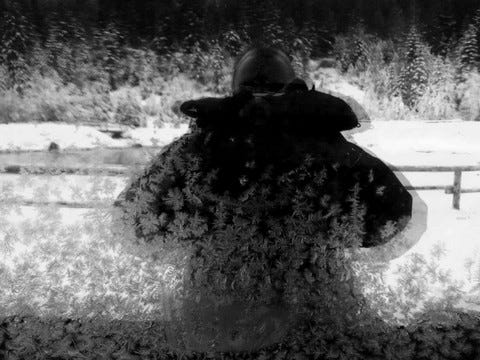
Roberto Galati
Avete scelto un’uscita “self-released”, con la formula “pay what you want”. È un gesto politico, etico o semplicemente coerente con il vostro modo di intendere la musica?
RG: È solo libertà. Non abbiamo pensato a strategie, volevamo muoverci con leggerezza. Sappiamo di essere minuscoli in un oceano, quindi tanto vale muoverci liberamente; è un modo per fare le cose come quando abbiamo iniziato, con piacere e autenticità.
FG: Non la considererei una scelta politica, ma piuttosto un gesto di coerenza e libertà. Viviamo in un momento in cui la musica è ovunque e allo stesso tempo ha perso quasi del tutto il suo valore simbolico. Con la formula pay what you want volevamo restituire all’ascoltatore la possibilità di scegliere: quanto dare, ma soprattutto quanto ascoltare.
Un po’ come accade in molti musei del Regno Unito, dove l’ingresso è gratuito ma l’uscita è a offerta libera: sei tu a decidere quanto quell’esperienza ha significato per te.
È un modo per rimettere al centro l’attenzione e la responsabilità individuale, per ricordare che la musica non è un prodotto ma un’esperienza condivisa.
L’autoproduzione ci permette di rimanere fedeli alla nostra visione, senza mediazioni o strategie di mercato, solo suono, tempo e verità.
Nella vostra collaborazione c’è una sorta di sottrazione continua, di pulizia estrema. Cosa resta per voi “indispensabile” in un brano.
RG: In Drift abbiamo cercato l’essenza. Non perché volessimo necessariamente uno stile minimale, ma per necessità. Volevamo che restasse solo ciò che si regge da sé. Francis ed io ci siamo incontrati a metà strada, poche cose, chiare, messe al posto giusto. Quello che per me è “indispensabile” in un brano coincide con ciò che cerco anche fuori dalla musica, nei viaggi e nel mio modo di guardare il mondo; il tempo vero, il silenzio, la misura. Togliere non è impoverire, è rendere più chiaro. Se una nota, da sola, racconta, non ne serve un’altra. Se uno spazio apre l’ascolto, non va riempito. Come quando si va in viaggio, abbiamo portato con noi solo ciò che serve davvero. Il resto appesantisce, distrae. L’essenziale regge tutto. Molti dei miei lavori precedenti sono più densi, più stratificati; nascono dal desiderio di raccontare la grandezza della Natura, la sua imponenza, la sua forza. Per questo ho usato un linguaggio diverso. Con Drift, invece, abbiamo seguito un’altra direzione, abbiamo usato una lingua essenziale che lascia spazio all’ascolto. Ed è un linguaggio che sento profondamente mio, che desideravo esplorare da tempo.
FG: L’indispensabile in un brano, per noi, è tutto ciò che sopravvive quando togli tutto il resto. È la nota che vibra davvero, il silenzio che lascia respirare, la piccola tensione che dà senso al flusso.
Ogni gesto sonoro deve avere un perché; tutto ciò che non contribuisce a creare emozione o spazio viene lasciato andare. In questo senso, un brano è come uno spazio vuoto abitato da ciò che conta davvero ed è proprio in quell’essenzialità che nasce la libertà. La musica può respirare, cambiare forma, assumere significati diversi a seconda di chi la ascolta.
Sottrarre non significa impoverire, ma rivelare ciò che è vivo, ciò che pulsa sotto la superficie. È un gesto di attenzione e rispetto verso ogni dettaglio, e allo stesso tempo verso chi ascolta: lasciando solo ciò che è indispensabile, aprendo uno spazio in cui ognuno può entrare e trovare la propria storia dentro il brano.
Se “Drift” fosse un luogo, un paesaggio reale, dove si troverebbe? Sul punto di scomparire o appena riemerso dalle acque?
RG: Sul punto di scomparire. Non c’è riemersione, c’è immersione. È il momento nel quale ti lasci andare. Drift per me non è un paesaggio che riemerge. È il momento nel quale smetti di cercare un appiglio e accetti di far parte del movimento. Non c’è paura in questo, solo consapevolezza, sapere che tutto muta, che nulla resta fermo. Se proprio dovessi immaginarlo come luogo, mi piace pensarlo da qualche parte tra la montagna e gli alti ghiacciai. È lo stesso confine che cerco da sempre nei miei viaggi e nei miei scritti; è il punto nel quale il mondo naturale rivela la sua forza e ti obbliga a guardarti per ciò che sei, minuscolo ma presente. Nei paesaggi che ho attraversato ho provato spesso la sensazione di essere immerso in qualcosa che mi supera e che, proprio per questo, mi definisce, mi mostra i miei limiti, la mia estrema fragilità. Drift nasce da questa stessa condizione.
FG: Sarebbe un luogo nascosto, inaccessibile a molti, pronto a scomparire e ad abbandonare il mondo terreno, rendendosi invisibile ma pur sempre presente.
Diventerebbe un luogo immaginario che, con il tempo, la memoria finirà per dimenticare essere stato realmente vissuto, e che qualcuno, un giorno, usando soltanto l’immaginazione, descriverà in un racconto poetico.
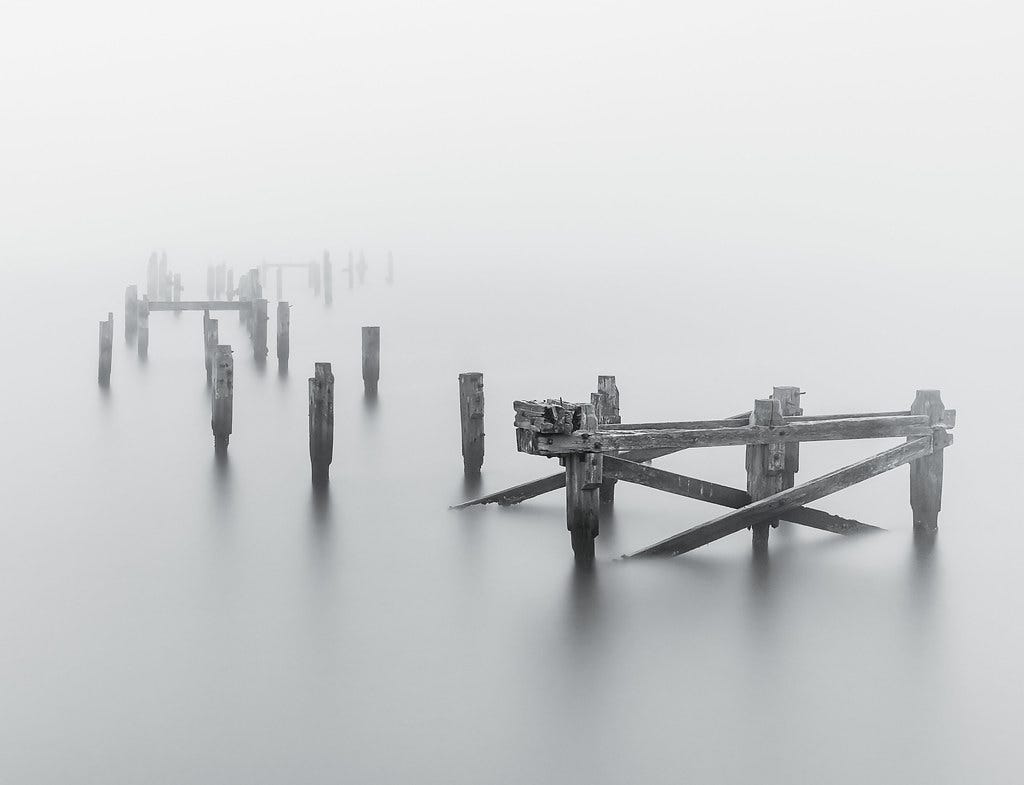
Quale spazio pensate di occupare, nel panorama elettroacustico italiano che ormai, e lo si deve anche a voi due, ha assunto una certa rilevanza a livello internazionale.
RG: E’ difficile dirlo. C’è tanta musica interessante. Io comunico con questo linguaggio da sempre, in modo naturale. Non so se ho dato qualcosa, ma continuo a provarci. E davvero, non saprei proprio dire quale spazio occupo. La verità è che non so se penso in questi termini. Non faccio musica per “esserci”, ma per necessità personale. Se poi qualcuno la incontra e la fa propria, è già molto. Forse il mio spazio non è al centro, ma ai margini, dove si può osservare con più calma.
FG: Il panorama italiano è davvero ricco di artisti di grande livello, e questo è significativo: regala al nostro paese una piccola medaglia per quanto riguarda l’arte sonora.
Per quanto mi riguarda, non mi sono mai posto questa domanda, perché ho sempre guardato il mondo della musica da esterno, come ascoltatore, e mai troppo dall’interno.
Penso che ci siano tantissimi artisti che fanno musica molto migliore della mia, e ringrazio ogni giorno quel piccolo cerchio di persone che segue ciò che faccio.
In un deserto così vasto, sapere che qualcuno ha raccolto anche quel piccolo pugno di granelli dove ci sono anch’io, mi dà la spinta per continuare a condividere e non lasciare che i miei lavori restino accatastati in un armadio impolverato.
Come vi spiegate la maggiore attenzione che voi, intesi come muscisti italiani, godete oltre confine rispetto a quella nazionale ridotta ai minimi termini.
RG: Non so se esista una spiegazione precisa. Forse l’elettroacustica vive bene dove ci sono attenzione, maggiore apertura verso linguaggi che vivono di tempi lenti, e luoghi pensati per l’ascolto. In alcuni paesi queste condizioni sono più diffuse; in Italia forse queste condizioni esistono come isole, preziose, ma non connesse tra loro.
FG: È una domanda che mi sono posto moltissime volte anch’io.
Purtroppo, l’italiano tende spesso a essere esterofilo e a considerare ciò che arriva dall’estero come intrinsecamente migliore. È un limite culturale profondo, che ci porta a guardare oltre i nostri confini, sia come ascoltatori sia come artisti.
Ai tempi in cui gestivo l’etichetta Krysalisound, la mia idea iniziale era quella di focalizzarmi sugli artisti italiani, ma con il tempo ho capito che molti di loro desideravano soprattutto essere prodotti e riconosciuti fuori dall’Italia. Gli stessi acquirenti dei dischi erano per la maggior parte stranieri: direi almeno il 90%. Mi capitava raramente di spedire un CD nel mio stesso paese, e questa cosa mi ha sempre fatto riflettere.
È paradossale che il metro di misura per capire se un artista o un lavoro è “di livello” debba ancora passare per un riconoscimento esterno. Come se avessimo bisogno che qualcun altro ci dica che ciò che facciamo ha valore. Credo che dovremmo imparare a credere di più nelle nostre risorse, creare connessioni, eventi, spazi e associazioni che abbiano come fine quello di elevare l’arte nel nostro territorio.
Viviamo in un paese dove l’arte è nel DNA, dove ogni pietra e ogni silenzio raccontano secoli di bellezza.
Eppure sembra che ce ne siamo dimenticati. Forse dovremmo solo tornare ad ascoltare, non per competere, ma per riconoscere il valore di ciò che nasce qui, tra noi.
Perchè il suono elettroacustico non gode di interesse, in questo disastrato paese?
RG: Non saprei davvero dire perché questo tipo di suono non trovi spazio, o perché resti sempre ai margini. Forse è una questione di tempo, di attenzione, di abitudine all’ascolto. Ma credo che, più di tutto, sia una questione di sensibilità. Questa musica chiede silenzio, chiede un momento per fermarsi, e non sempre il mondo in cui viviamo lo permette. Non lo dico con amarezza, né come critica. È solo una constatazione. Ci sono tante cose che funzionano diversamente da come vorremmo, e la musica non fa eccezione.
Io non cerco di cambiare questo stato di cose, mi limito a fare ciò che sento necessario. Suonare, registrare, ascoltare. Ogni tanto condividere, se ha senso. La musica, per me, resta un gesto privato che a volte trova un suo piccolo pubblico. Io non mi sento estraneo a tutto questo, ma neppure dentro un movimento. Faccio la mia parte, in silenzio, come posso. Credo che anche piccoli gesti onesti, come continuare a pubblicare liberamente, a dialogare con pochi ascoltatori attenti, abbiano un valore. Forse è questo il mio modo di esserci.
FG: Credo che il genere ambient, in generale, potrebbe essere apprezzato da molte più persone rispetto a quelle che lo seguono oggi in Italia.
Purtroppo non c’è interesse a sponsorizzarlo, né da parte dei media né da parte delle istituzioni culturali, che preferiscono puntare su progetti più immediati e facilmente fruibili.
Il suono elettroacustico richiede tempo, ascolto e silenzio, tre elementi che oggi sembrano quasi un lusso. Viviamo in una società che tende a consumare velocemente anche la musica, mentre questo tipo di linguaggio sonoro ha bisogno di uno spazio più intimo, di un ascoltatore disposto ad accogliere e non solo a distrarsi.
In altri paesi, soprattutto nel Nord Europa o in Giappone, c’è una sensibilità diversa: la ricerca sonora è vista come una forma d’arte contemporanea, non come un genere di nicchia.
Qui, invece, manca ancora quella consapevolezza.
Eppure sono convinto che ci sia un pubblico potenziale molto più ampio di quello che pensiamo, serve solo creare le condizioni per farlo avvicinare, attraverso educazione all’ascolto, piccoli festival dedicati e spazi dove la musica non debba competere con il rumore, ma possa finalmente respirare.
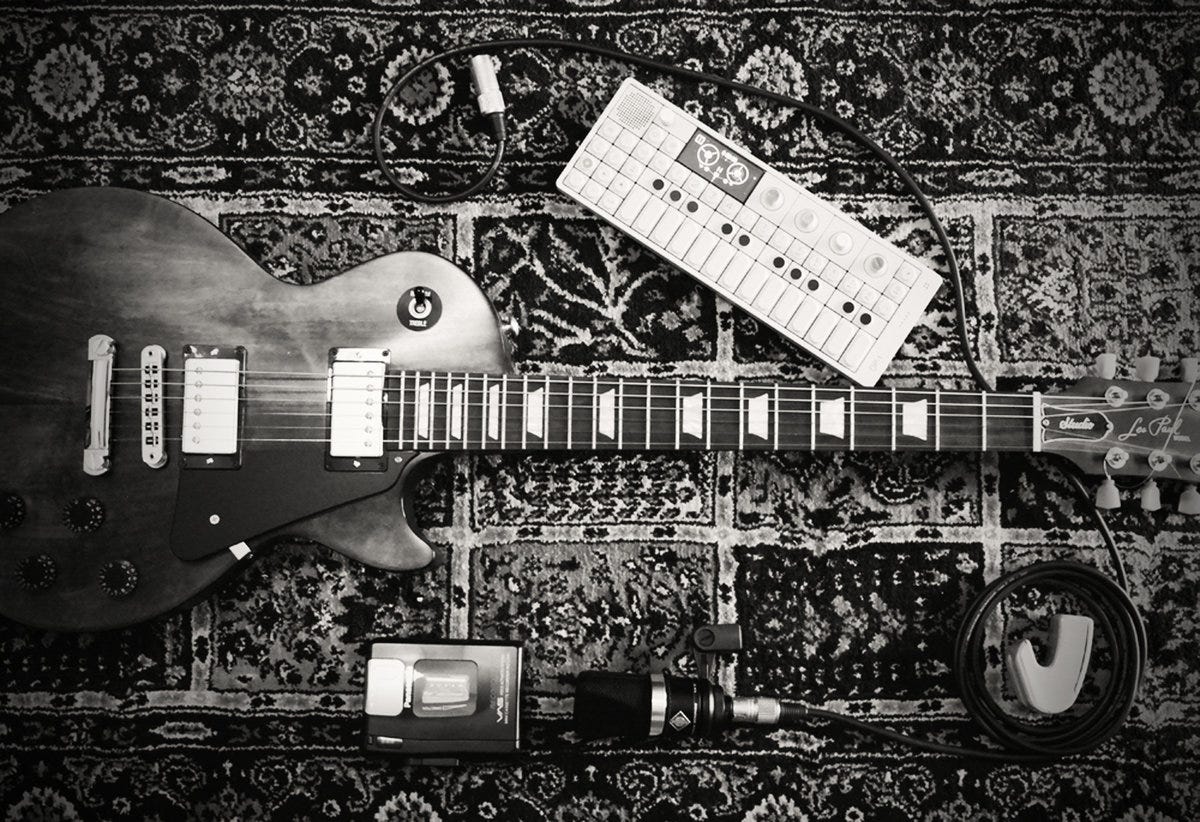
In quale dei sei titoli che compongono l’album, rispettivamente più vi ritrovate?
RG: “Void”, “Fear”, “Drift”. Forse perché contengono meglio il senso del vuoto e dello smarrimento che volevamo esprimere. Ma è nel suo insieme che il disco funziona, nel suo scorrere dal primo all’ultimo brano. E’ una materia sonora continua, con due brani iniziali che fanno da lenta introduzione. I suoni entrano, si espandono, preparano a entrare nel disco, che si apre in modo sottile, e si lascia trascinare dalla corrente. Drift è un unico corpo d’acqua, con variazioni di intensità, di densità, di luce, ma si muove sempre all’interno dello stesso mare.
FG: In realtà mi ritrovo in tutti i brani, perché considero Drift come un unico flusso sonoro, un viaggio continuo più che una semplice raccolta di composizioni.
Ogni parte è connessa all’altra, come se fossero capitoli di un unico racconto dove i confini si dissolvono e le transizioni diventano il vero cuore del lavoro.
Separare i brani avrebbe poco senso: quello che mi interessa non è il singolo episodio, ma il percorso emotivo complessivo, il modo in cui le sonorità si incontrano, si allontanano e poi ritornano, trasformate.
“Drift” è per me un’esperienza di ascolto circolare, senza un vero inizio o una fine, in cui tutto scorre con naturalezza e ogni suono contiene una parte di tutti gli altri.
È in questa continuità che mi riconosco pienamente: in quel lento movimento che, come una corrente, trascina con sé ogni frammento e lo ricompone in un equilibrio fragile ma vivo.
Sarà una Deriva definitiva o un miracolo legato ad un impensabile empatia ritrovata ci salverà?
RG: Non lo so. Vediamo solo un frammento del Tempo, questo ‘essere’ indefinito, implacabile, divoratore di esistenze, e spesso mi piacerebbe avere la leggerezza dei bambini per non pormi domande ‘importanti’. Oscilliamo tutti tra la deriva e una salvezza improvvisa. Nei miei viaggi, nelle distese di ghiaccio o nei deserti d’alta quota, ho imparato che la natura non conosce la parola “salvezza”, conosce solo la trasformazione. È questa la sua forza, ed è ciò che cerco di imparare da lei. Drift nasce da questa consapevolezza. Non so se esista una salvezza, ma so che nel momento in cui accetti il movimento e smetti di resistere, qualcosa dentro di te trova quiete. Io resto nel mezzo della corrente, non per arrendermi, ma per continuare a comprendere. Forse è nel movimento lento delle cose che il silenzio trova la sua forma.
FG: Non credo esista una deriva definitiva, almeno non finché continuiamo a cercare.
La deriva, in fondo, è parte del nostro movimento naturale: ci spinge lontano dalle certezze, ci disorienta, ma allo stesso tempo ci permette di scoprire nuovi orizzonti interiori.
Forse non serve salvarsi, ma accettare di lasciarsi andare a quel flusso, imparando a riconoscere la bellezza anche nello smarrimento.
L’empatia, quella vera, non è un miracolo ma un atto di presenza: nasce quando smettiamo di voler controllare tutto e torniamo semplicemente ad ascoltare — noi stessi, gli altri, il mondo.
Se qualcosa può salvarci, credo sia proprio questo ascolto condiviso, questa capacità di sentirci parte di una stessa corrente.
In fondo, “Drift” parla anche di questo: della possibilità di perdersi insieme, per ritrovarsi altrove, magari in una forma più leggera e sincera.
What follows is not a simple interview of questions and answers, it is perhaps the longest conversation ever to have filled the many physical and virtual pages written over years in the trenches, first musical, then sound-based, and now sonic. With Roberto Galati and Francis Gri we dug deep, speaking also of Drift, their newly released album, a threshold between presence and dissolution, a slow and crystalline dialogue that holds together timbres, silences, and an old-fashioned idea of shared listening.
“Drift” seems to move along an unstable border between presence and dissolution. How difficult was it to keep that balance without giving in to the temptation to explain too much?
Roberto Galati: For me the underlying idea is always a starting point open to many possibilities. Nothing is defined to the point of creating a set path to follow. There was no intention, neither on my part nor, I believe, on Francis’s, to explain anything, only to suggest a possible direction, to let things happen, to see where the sound would take us. I think that balance between presence and dissolution was born precisely from the meeting between me and Francis. Two different worlds that, quite naturally, found common ground. It was not a reasoned process, it just happened. It felt like a continuous dialogue, where at times one of us would step forward and the other would withdraw, and then the roles would reverse. What you call a border, I perceive as a flow. A movement that expands and contracts, that finds its balance precisely by not standing still. Drift was born from this alchemy that arose between us and gave the pieces a precise equilibrium.
Francis Gri: If I had to describe in two words the way we worked to make this record, I would say simplicity and naturalness. To date I have had the chance to collaborate with many artists, and very few albums have come together without small hiccups, like Drift: a single flow from the first note to the last, finding a perfect balance between our two sonic worlds, which, for those who know us individually, are quite different. Drift is a kind of magic that still surprises me, even now, when I listen back, for all it manages to express. I have known Roberto for years, yet we never set out to make something together until early 2024, and here we are speaking of a beautiful birth.
The cover, blue like a wave that overwhelms. Is it an image of surrender or of purification?
RG: I would say surrender, but in the highest sense of the term. A conscious surrender, not a passive one. Accepting that you are inside a movement larger than yourself, without trying to stop it. It is a form of lucidity, not resignation. It is like saying, “I cannot oppose the current, but I can learn to move within it.” The cover was born from some mountain images that I wanted to transform. I overlaid and altered them until they became unrecognizable, then immersed them in a deep, almost liquid blue. From that solid matter came the idea of a stormy ocean, as if the earth had lost its shape and dissolved into water. That blue is not just a color, it is a condition. It represents the loss of bearings, but also the possibility of moving within what moves, without resisting. Drift is born from this image, the moment when everything seems to slip away and, instead of resisting, you try to grasp the sense of the movement, to find balance in the drift.
FG: It could be both. We live in a world where surrender is often seen in a negative light, yet I believe it is, in a way, connected to purification. Only when we surrender to the events of life are we able to find our innermost center, call it soul if you wish, that point between presence and dissolution, to use your words, where everything flows and finally leaves us at peace with ourselves and with the world. Art, for me, is the key to moving forward along this path of searching, and each album, seen in retrospect, holds a meaning far deeper than what I experience at the moment of its genesis. The beautiful cover image, created by Roberto, gathers perfectly the sense of this work, and I am curious to see, in a few years, when I take this album in hand again, what meanings, now hidden, it will reveal.
In describing the fragility of the present you chose not to seek safe harbors. In your musical writing, is there still a place you would call “home”?
RG: “Home” is an inner place. It is the point from which everything is born, the desire to write, to communicate, to turn what I live into sound. There are many languages, but they are only means. “Home” is the way I feel called to tell things, it is what I want to convey. I follow the flow of events, I let myself be changed, and what changes in me is reflected in the music. There are also physical places that help me recover that condition of “home.” The family house on the Karst plateau is a quiet place where I play, read, and think a lot. In that house I composed most of the ideas for Drift, later refined in Padua. When I go to Trieste I bring instruments, books, and silence. In that silence everything resurfaces, including the sense of drift that runs through the record.
FG: I often reflect on the idea of roots and home, and never, as in this historical moment, have those two aspects, which I find essential to a person’s balance, been so violated. All this movement has weakened our identity, in my opinion. We are now trees with short roots, and a slightly stronger gust of wind is enough to break us. My past led me to be a person with short roots, and I often suffer from that, but fortunately I discovered music, which has become my home, where I feel safe. A home with different rooms, each with its own sound and specific identity. And, as when I was a child there was a place I preferred to play, in this ethereal house there is a hidden room where I take refuge when I need to find my lost roots.
A subtle melancholy runs through the whole record, yet it never turns into regret. Is that a conscious effect, or something you have always carried within you?
RG: I believe melancholy has always been present in everything I have done. It is not a chosen melancholy, it is part of me, a background tone that emerges naturally. But for me it is not sadness. It is memory, an awareness of what passes. It is the way I look at things when they stop being eternal. When I look back, I do not feel regret. I have always given space to my way of feeling, in travel, in music, in the words I have written along the way, in photographs. I have tried to live with curiosity, with an attentive gaze, without letting anything pass by distractedly. Of course, I have made choices, and perhaps my life could have taken other directions, but this one, just as it is, belongs to me. That melancholy is only a shade of my gaze.
FG: Fortunately regret is not an emotion that often accompanies me. Perhaps because, since I was a boy, I have always thought that everything I did in the past cannot be changed, and the person who judges that event today is different from the person he was yesterday, so living in regret makes no sense. Whether right or wrong, the things I have done or said are the result of a chain of events that led me to speak, do, and react in that particular way. As you rightly perceived, the melancholy you hear is not born of that emotion, but simply my way of being in this world. I am more and more convinced that happiness, in this world, is a synonym for foolishness, because it takes only a minimum of critical spirit and observation to understand there is very little to smile about. Serenity, on the other hand, is something else entirely, it is a hidden place many aspire to and few truly find. I think melancholy is nothing but the road taken by those who are searching for this serenity. A winding road, full of holes, false shortcuts, and dead ends, which many will find useless, but which to me is worth at least attempting to walk.
You spoke of music as current. Is it still possible for you to distinguish the author from the flow?
RG: When I speak of “current,” I think of something that passes through you. The author does not disappear, but steps aside. The flow resizes you, it forces you to listen, to understand when to intervene and when to keep silent. In the case of Drift I often felt that the sounds moved by themselves, not because Francis or I were absent. Perhaps the author is not separate from the flow, but the one who observes it and tries not to divert it too much. And when the piece ends you realize that part of what happened no longer depended on you. That is how music is born, at least for me. In Drift this current became the meeting point between me and Francis. At a certain point the individual parts were lost, as if the music had found its balance on its own. What came out no longer belongs to either of us, it is something that contains us both and goes beyond. Perhaps this is the meaning of the current for me, when sound no longer represents the one who creates it, but becomes a common space where everything joins and finds its own equilibrium.
FG: I remember that, at the beginning of the presentation text for the album made with Federico Mosconi, we included the formula “1+1 = ∞”. And in fact, as happened with that album, which I still listen to with great pleasure, the same was true for Drift. In my view a collaboration truly works when the sound takes a third direction that sets itself apart from the other two. The authors then merge with the new flow, and it no longer makes sense to distinguish who did what, because at that point the authors, in a sense, cancel themselves out, generating something new. Often, when there is imbalance, you hear one musician’s hand more clearly, but I believe that for Drift the magic was born that can be described with the formula “1+1 = ∞”.
“Drift” seems built more on mutual listening than on direction. Was there a precise moment when you understood that your musical communication worked?
RG: Listening is everything. It is the basis of my way of living, not only of making music. In this case the understanding with Francis was immediate. I was struck by how he was able to give depth to the drafts of the Drift pieces and enrich them. The result is a perfect balance between our worlds. Beyond whether one likes it or not, it is a record I care about very much for this reason; music, if shared with the right people, gains value. It must also be said that Drift was born in an absolutely unexpected and spontaneous way. Last Christmas I had started working on some ideas, inspired by one of Francis’s albums that struck me for its sounds and atmospheres. I let those drafts settle, until one day in January Francis called me and, by the end of the call, proposed making a record together. I told him about those pieces born precisely from listening to one of his works, and that is how everything began. It was a very fast and natural process. Francis worked in a rush, and so did I. We were both amazed at how it was taking shape. Evidently we had waited so long that, when one of us spoke the idea of making a record together, that record seemed already to exist. This goes beyond mutual listening, it is perfect musical understanding. Exactly as happened with the records I played with Federico Mosconi.
FG: When Roberto let me hear his parts, I already had a fairly clear musical direction in mind. I wanted to take up again the more electronic sonorities of my early works, and so it was, because from the first notes I understood that the idea could become reality. Usually it is quite common to devote an entire recording session to each single track, but in this case I placed all of Roberto’s drafts one after another and recorded everything in a single project, making the work even more homogeneous and compact. It was a very instinctive approach, in line with the way I currently compose for my solo works.
In this album guitars and electronic textures coexist without fully blending, they remain distant yet in solidarity. Is that a metaphor for the present, or a purely aesthetic gesture?
RG: Perhaps the two things coincide. It is as if the sounds were conversing while keeping a safe distance. They recognize each other, but they do not fully merge. It can also be a metaphor for the world we live in, connected yet fragile, but I see it more as a balance made of spaces and shifting accents, like a landscape crossed by light, by different lights. Each sound has its shape and its voice, but what matters is their alternation. One advances, the other recedes, then they trade places, like waves. Of course, anyone who enters this sonic landscape can grasp different perspectives and sensations, as when the light changes and every thing reveals a new outline.
FG: I like to think that every work is in fact an unwritten but played story, where each character is a sound or an instrument. Depending on the story you want to tell, each character or instrument has its space and its position within the narrative. When you write a story, you often have a general idea, but then, almost magically, the words flow on their own and the story develops almost in a trance, the details take shape and everything becomes clearer and sharper. The same happened for Drift: every sound was placed with care to tell a specific story that each listener can decode in their own way. This is the beauty of abstract art, offering cues that everyone can interpret for themselves.
What does “beauty” mean to you today, when everything around seems to be falling apart?
RG: Beauty exists anyway, it is in the world, in things. We are the background noise that often covers it. In my travel journals I often note the feelings I experience before certain landscapes, mountains, valleys, glaciers, deserts. I realize I use the word beauty very often. I could not deny it, it would be like denying a part of myself. Sometimes it is so intense that it becomes difficult to contain. On my journeys it often happens that I stop along the road and remain still looking, overwhelmed by what I see. There are moments when everything seems to become unbearably beautiful, as if the world wanted to remind you of its strength. Beauty, however, does not console; it sets you before how small you are. And precisely in that disproportion I find my measure.
FG: Finding beauty today is truly a complicated undertaking. It seems that we are working hard to gradually destroy everything good that has been done so far. In the city it is all the more evident: many fundamental values have been lost and every single thing is becoming the poor copy of what it was. Yet not everything is to be thrown away. There are still small hidden corners of beauty in this world, there are still people with a certain sensitivity and a desire to live in a way different from what society proposes. Our eyes can see black, white, but also the shades. It is right to have a critical spirit, but the risk is to stagnate in complaint, which is a contagious sport. Seeking poetry in small things is perhaps the best way to reach the end of the day and close our eyes serenely.
The pauses, the silences, the spaces between the notes: how do you decide when to let absence speak?
RG: From the very beginning the pieces were essential. In the final stage we removed a little more, with restraint. I like how we managed to achieve a sense of harmony with very few elements. Usually I work with dozens of tracks, but here simplicity won. It is the magic of a successful collaboration. Silence, for me, is not emptiness but a full space. It is a space that holds things together and allows sound to fulfill itself. In the pieces on Drift the pauses are never a void, but a point where the sound stops to let what remains emerge. I feel the same principle outside music. On my blog I often speak of silence as a continuous search. This attention to silence was born long ago. I do not know when I truly began to seek it, perhaps in Greenland’s ice deserts, perhaps in monasteries in Asia, or more simply on the Karst, in the family home. The recurring theme has always been that, silence. Not the absolute kind, which does not exist, but the kind that hides in the gaps between noises, in the spaces left free. It is the silence of the lands I have crossed, but also the inner one that allows you to look deeper and listen more attentively. In Drift we tried to return that same condition. We let sound and silence coexist, listen to each other. I believe the real balance, in music as in life, is precisely knowing when to be quiet so that what remains can speak.
FG: There are things that cannot be explained in words and, at least for me, they simply happen. The spaces between the notes are intervals of silence that regulate the progress of a flow. Each person has an inner rhythm. You can see it in the way one speaks, moves, walks, performs a certain gesture. In music it is the same. We always express ourselves, only in a different language.
A thread of fear, “Fear,” runs through the sequence of tracks. What kind of fear did you want to tell?
RG: It is the fear of being adrift, of living in a historical moment that changes for the worse day after day. But the fear that runs through Drift does not want to be spectacular. It is more subtle, it is the feeling of being left without handholds, of not knowing what the direction is. It is the fear of feeling powerless. Perhaps I would also call it fear of the unknown. The ocean on the cover is born from this sensation. It is a landscape that opens up and asks you to accept its vastness. The high waves are not only threat; they remind you that there is a force greater than us and that, at times, the only possible thing is to keep afloat and listen. It is not resignation. It is a different kind of attention. Fear, if you do not deny it, forces you to make choices, to react. Drift frightens because it takes away control. But every time you stop resisting and try to let yourself go with the current, something changes. You do not know where it will take you, yet you understand how to live with it. In Drift perhaps fear is this passage, from the initial impact to the moment when the unknown is no longer only threat, but a space in which to learn how to move.
FG: I believe the fear that runs through Drift is not the one tied to danger or threat, but something more subtle and intimate, the fear of change, of letting go, of not knowing where the flow will take us. It is a fear that coexists with beauty and at times accompanies it. In our sonic journey there was never any intention to push it away, but rather to welcome it as part of the voyage. It is that suspended feeling you experience when you stop between one note and the next, when silence becomes presence. In the end it is precisely in that fragile balance between fear and surrender that, for me, the most sincere music is born.
In an age dominated by speed and noise, where does a work that invites one to let go into the slow time of listening find its place?
RG: It is a countercurrent work, absolutely. But I could not do otherwise, this is my way of telling. It is my way of communicating, and Francis’s as well. Over the years I have learned to recognize the beauty of slowness. The journeys to far places, where time seems almost to stop, taught me that everything has its own rhythm and its own importance. It was in those places that I understood how full silence can be, how an empty space can contain everything. Making music, for me, is the same thing, it is slowing down in order to really listen, not only to the sound but also to what surrounds it. I believe you can sense this attitude in Drift. There is no rush, no urgency to arrive. Each piece is a small landscape that opens slowly, that asks you to stop, to observe.
FG: We live in an age in which everything runs too fast and true listening has become a rare gesture. Drift was conceived precisely as an invitation to slow down, to find again an inner space where time is no longer a race but a breath. Letting yourself go to the slow time of listening means allowing yourself to perceive nuances, silences, the small imperfections that give life and truth to sound. I believe that today more than ever we need a return to slowness, not as nostalgia, but as an act of presence. Only when we stop chasing can we truly encounter something, even within ourselves.
“Drift” seems to have a plot that is more emotional than narrative. Are you still interested in the form of the concept album, or do you prefer to abandon any structure?
RG: Drift is almost entirely emotional. In other works I have followed more defined threads. Here we let the flow decide. I love the logic of the concept when it arises as a way to tell a thought. But in Drift that path could not be linear. There was neither a starting point nor an end point. Each track is a passage, a change of light. It is a record that does not want to explain, but to evoke. In my travels and in the texts I write I always look for the same thing, not a finished story, but a fragment of truth, a moment that reveals something and then disappears. Drift is also that moment.
FG: It depends on the kind of work. Generally, when I work on a solo album, the concept is fundamental, even more so in my latest works, where I include inside the CD a short story to describe the project. The track titles lose importance because it is the album title that gives meaning to everything. For collaborations it is different. The concept form generally does not exist and one works freely, focusing on sonic emotions. The special thing about Drift, however, is that, in its homogeneous structure, it could also work as a single 33 minute piece, so it is certainly a small emotional concept that wants to tell through images.
This instability you try to translate into sound, does it concern the outer world more, or your inner world?
RG: For me it always starts from the outer world. We live in an age that is coming apart, in which noise tends to cover everything. But I believe that from this very disorder arises the need to listen again, to the earth, to places, to silences, to what remains authentic. In my journeys I have learned that the natural world does not console, it reveals. It places you before your measure, before the true time of things, the one you cannot accelerate. And from here my music is born. In Drift that instability is translated into sound. It is the same disorientation you feel before the sea or the mountains, immense forces that exceed you and, precisely for that, return a form of balance. The current, the movement, the absence of fixed points, all this is for me a way of recognizing that the human being is not at the center, but inside a larger flow. Perhaps my music is born from this awareness, that the world speaks to us, even when it is coming undone, and that the only way not to lose it is to continue to listen to it.
FG: The outer world is closely tied to the inner one and, in a certain sense, mirrors it, conditioning the way we see, feel, and perceive things. As for me, I can consider myself, without hiding too much, a broken soul, and therefore my eye has the inclination to see the less positive side of things. But I do not think this vision is necessarily negative. I believe that the sensitivity to catch the cracks, the shadows, and the small instabilities of the world is also what allows me to transform them into sound. In a way music works for me like an inner kintsugi. It gathers the fragments, recomposes them, and joins them with an invisible golden thread made of frequencies and silences. External instability and inner instability end up blending, becoming a single current that runs through everything. I do not try to hide the fractures, but to listen to them and let them flow, because it is precisely there, along the lines of what has broken, that true beauty often hides.
There is a strong mutual trust in leaving space for the other. How important is listening for you as a creative act, not only as reception?
RG: I firmly believe that listening is a creative act, not something that comes after. When you truly listen, you change the way you play and also the way you let things happen. In Drift there were no fixed roles. At times I led, at times Francis did. The balance was born from this very thing, from trusting the other, from leaving space. To listen means to be inside the other’s sound, to understand when it is time to intervene and when it is better to remain still.
FG: Listening, for me, is the starting point of everything. Not only as a passive act, but as a form of attention and respect toward what the other expresses. When you work four hands, listening becomes a creative gesture. It means leaving space, breathing together, welcoming the other’s silence without immediately filling it with your own sound. It is in that invisible dialogue that trust is born, and it is there that music truly comes to life. I believe Drift was born precisely from this balance, from knowing how to let oneself be crossed by the other, until you can no longer tell where one voice ends and the other begins.
You chose a self-released publication with a pay-what-you-want formula. Is that a political gesture, an ethical one, or simply consistent with your way of understanding music?
RG: It is simply freedom. We did not think in terms of strategy. We wanted to move lightly. We know we are tiny in an ocean, so we might as well move freely. It is a way of doing things as when we started, with pleasure and authenticity.
FG: I would not call it a political choice, but rather a gesture of coherence and freedom. We live in a time when music is everywhere and at the same time has almost completely lost its symbolic value. With the pay-what-you-want formula we wanted to give the listener back the possibility to choose, how much to give, but above all how much to listen. It is a bit like many museums in the United Kingdom, where admission is free and the exit is by donation. You decide how much that experience meant to you. It is a way to put attention and individual responsibility back at the center, to remember that music is not a product but a shared experience. Self-releasing allows us to remain faithful to our vision, without mediations or market strategies, only sound, time, and truth.
In your collaboration there is a kind of continuous subtraction, an extreme cleaning. What remains “indispensable” in a piece for you?
RG: In Drift we sought the essence. Not because we necessarily wanted a minimal style, but out of necessity. We wanted only what could stand on its own to remain. Francis and I met halfway: few things, clear, placed in the right spot. What is “indispensable” in a piece for me coincides with what I seek outside music as well, in travel and in my way of looking at the world: true time, silence, measure. To remove is not to impoverish, it is to make clearer. If one note tells the story by itself, you do not need another. If a space opens listening, it should not be filled. As when you travel, we brought only what we truly needed. The rest weighs you down and distracts. The essential holds everything. Many of my previous works are denser, more layered. They were born from the desire to tell the greatness of Nature, its might, its force. For that I used a different language. With Drift, instead, we followed another direction, we used an essential language that leaves room for listening. And it is a language I feel deeply mine, one I had long wanted to explore.
FG: What is indispensable in a piece, for us, is everything that survives when you remove all the rest. It is the note that truly vibrates, the silence that lets things breathe, the small tension that gives meaning to the flow. Every sonic gesture must have a reason. Everything that does not help create feeling or space is let go. In this sense a piece is like an empty room inhabited by what truly matters, and in that essentiality freedom is born. The music can breathe, change shape, take on different meanings depending on who is listening. Subtracting does not mean impoverishing, it means revealing what is alive, what beats beneath the surface. It is a gesture of attention and respect toward every detail, and at the same time toward those who listen, leaving only what is indispensable and opening a space where everyone can step in and find their own story inside the piece.
If “Drift” were a place, a real landscape, where would it be found? On the verge of disappearing, or just resurfaced from the waters?
RG: On the verge of disappearing. There is no resurging, there is immersion. It is the moment when you let go. Drift for me is not a landscape that resurfaces. It is the moment when you stop seeking a handhold and accept being part of the movement. There is no fear in this, only awareness, knowing that everything changes, that nothing remains still. If I had to imagine it as a place, I like to think of it somewhere between the mountains and the high glaciers. It is the same edge I have always sought in my travels and in my writing. It is the point where the natural world reveals its force and forces you to see yourself for what you are, tiny yet present. In the landscapes I have crossed I have often felt the sensation of being immersed in something that surpasses me and that, for that very reason, defines me, shows me my limits, my extreme fragility. Drift is born from that same condition.
FG: It would be a hidden place, inaccessible to many, ready to disappear and to leave the earthly world, making itself invisible yet still present. It would become an imaginary place that, over time, memory would end up forgetting had truly been lived, and that someone, one day, using only imagination, will describe in a poetic tale.
What space do you believe you occupy in the Italian electroacoustic landscape which, by now, and thanks also to the two of you, has gained a certain relevance internationally?
RG: It is hard to say. There is so much interesting music. I have always communicated in this language naturally. I do not know whether I have contributed anything, but I keep trying. And truly, I would not know how to say what space I occupy. The truth is that I do not know if I think in those terms. I do not make music in order to “be there,” but out of personal necessity. If someone then meets it and makes it their own, that is already a lot. Perhaps my space is not at the center, but at the margins, where one can observe with more calm.
FG: The Italian scene is truly rich in artists of great quality, and this is significant. It gives our country a small medal when it comes to sound art. As for me, I have never really asked myself this question, because I have always looked at the world of music from the outside, as a listener, and not too much from the inside. I think there are many artists who make music far better than mine, and every day I thank that small circle of people who follow what I do. In a desert so vast, knowing that someone has gathered even that small handful of grains where I am too, gives me the push to keep sharing and not let my works remain piled up in a dusty cupboard.
How do you explain the greater attention you, as Italian musicians, receive abroad compared with the minimal attention at home?
RG: I do not know if there is a precise explanation. Perhaps electroacoustic music thrives where there is attention, a greater openness toward languages that live on slow times, and places designed for listening. In some countries these conditions are more widespread. In Italy they perhaps exist as islands, precious but not connected to one another.
FG: I have asked myself this question many times too. Unfortunately Italians often tend to be “esterofili,” to consider what comes from abroad as intrinsically better. It is a deep cultural limit that leads us to look beyond our borders, both as listeners and as artists. When I ran the label Krysalisound, my initial idea was to focus on Italian artists, but over time I understood that many of them mostly wanted to be produced and recognized outside Italy. The buyers of the records were mostly foreigners. I would say at least 90 percent. It was rare for me to ship a CD within my own country, and this has always made me think. It is paradoxical that the yardstick to understand whether an artist or a work is “top tier” still has to pass through recognition abroad, as if we needed someone else to tell us that what we do has value. I believe we must learn to believe more in our own resources, to create connections, events, spaces, and associations whose purpose is to elevate art in our territory. We live in a country where art is in the DNA, where every stone and every silence tell centuries of beauty. And yet it seems we have forgotten this. Perhaps we should simply go back to listening, not to compete, but to recognize the value of what is born here, among us.
Why does the electroacoustic sound not enjoy much interest in this run-down country?
RG: I truly do not know why this kind of sound does not find space, or why it always remains at the margins. Perhaps it is a question of time, of attention, of a habit of listening. But I think, more than anything, it is a question of sensitivity. This music asks for silence; it asks for a moment to stop, and the world we live in does not always allow that. I do not say this with bitterness, nor as a criticism. It is simply a statement of fact. There are many things that work differently than we would like, and music is no exception. I do not try to change this state of affairs. I limit myself to doing what I feel is necessary: playing, recording, listening. From time to time I share, if it makes sense. Music, for me, remains a private gesture that sometimes finds its small audience. I do not feel alien to all this, nor inside a movement either. I do my part, quietly, as I can. I believe that even small honest gestures, such as continuing to release freely and to converse with a few attentive listeners, have value. Perhaps this is my way of being there.
FG: I believe the ambient genre, in general, could be appreciated by many more people than those who follow it today in Italy. Unfortunately there is no interest in promoting it, either from the media or from cultural institutions, which prefer to focus on more immediate and easily consumable projects. Electroacoustic sound requires time, listening, and silence, three elements that today seem almost a luxury. We live in a society that tends to consume even music quickly, while this type of sonic language needs a more intimate space, a listener willing to welcome rather than simply distract themselves. In other countries, especially in Northern Europe or in Japan, there is a different sensitivity. Sound research is seen as a form of contemporary art, not as a niche genre. Here, instead, that awareness is still lacking. Yet I am convinced there is a potential audience much broader than we think. We only need to create the conditions for them to come closer, through listening education, small dedicated festivals, and spaces where music does not have to compete with noise, but can finally breathe.
In which of the six titles that make up the album do you each find yourselves the most?
RG: “Void,” “Fear,” “Drift.” Perhaps because they best contain the sense of emptiness and disorientation that we wanted to express. But it is the whole that works, the way the record runs from the first to the last track. It is a continuous sonic matter, with two opening pieces that serve as a slow introduction. The sounds enter, expand, and prepare you to step into the record, which opens gently and lets itself be carried by the current. Drift is a single body of water, with variations in intensity, density, and light, but always moving within the same sea.
FG: In truth I find myself in all the tracks, because I see Drift as a single sonic flow, a continuous journey rather than a mere collection of compositions. Each part is connected to the other, as if they were chapters of a single tale where the borders dissolve and transitions become the true heart of the work. Separating the tracks would make little sense. What interests me is not the single episode, but the overall emotional path, the way the sonorities meet, move apart, and then return transformed. Drift is, for me, a circular listening experience without a real beginning or end, where everything flows naturally and each sound contains a part of all the others. It is in this continuity that I fully recognize myself, in that slow movement that, like a current, carries every fragment with it and recomposes it into a fragile but living balance.
Will it be a definitive drift, or will a miracle tied to an unimaginable empathy rediscovered save us?
RG: I do not know. We see only a fragment of Time, that undefined, implacable being that devours existences, and I would often like to have the lightness of children, so as not to ask myself “important” questions. We all swing between drift and sudden salvation. On my journeys, on the ice fields or in the high deserts, I have learned that nature does not know the word “salvation.” It knows only transformation. That is its strength, and it is what I try to learn from it. Drift is born of this awareness. I do not know whether salvation exists, but I know that when you accept movement and stop resisting, something inside you finds stillness. I remain in the middle of the current, not to surrender, but to continue to understand. Perhaps it is in the slow movement of things that silence finds its form.
FG: I do not think there is such a thing as a definitive drift, at least not as long as we keep searching. Drift, after all, is part of our natural movement. It pushes us far from certainties, disorients us, yet at the same time allows us to discover new inner horizons. Perhaps we do not need to be saved, but to accept letting ourselves go to that flow, learning to recognize beauty even in bewilderment. True empathy is not a miracle but an act of presence. It is born when we stop wanting to control everything and simply return to listening, to ourselves, to others, to the world. If anything can save us, I believe it is precisely this shared listening, this capacity to feel ourselves part of the same current. In the end Drift speaks also of this, of the possibility of getting lost together in order to find ourselves elsewhere, perhaps in a lighter and more sincere form.