L’asse smarrito - The lost axis
Luca Formentini - Angel Lost - Self-release - March 20, 2026 || ita/en text

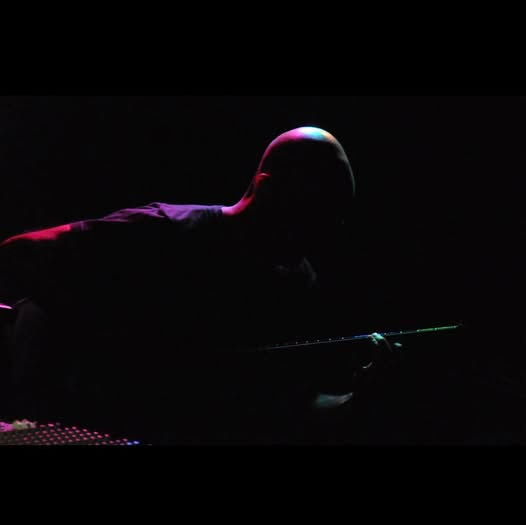
Luca Formentini arriva a Angel Lost dopo un tragitto che negli ultimi anni si è fatto sempre più riconoscibile. Non soltanto per la qualità delle uscite, ma per il modo in cui il suo lavoro ha saputo stringere assieme ambient, ricerca timbrica, improvvisazione, installazione e una sensibilità sempre più vicina a certi territori della musica contemporanea. Basta guardare alla sua traiettoria, alle collaborazioni con Robert Rich e Markus Stockhausen, ai lavori pensati per spazi, immagini e contesti specifici, a una pratica che da tempo non gira attorno al genere e preferisce semmai attraversarlo, lasciandosi alle spalle le comode recinzioni delle etichette.
Dentro questo quadro Angel Lost ha un valore preciso. Non sembra un’appendice buttata lì dopo il suo I'm A Ghost. Sembra piuttosto una scheggia rimasta incandescente dopo quel lungo passaggio, un brano che nasce dalla stessa temperatura interiore e che decide di presentarsi da solo, senza apparato, quasi con urgenza. Nelle note che accompagnano l’uscita c’è infatti l’idea di una traccia lasciata da un processo ancora aperto, di una risonanza che continua a vibrare oltre l’opera precedente. Ed è proprio questa la sua prima qualità: la sensazione di un lavoro necessario, messo in circolo nel momento giusto, con quella semplicità che spesso appartiene ai dischi più consapevoli.

Il link privato della release aiuta anche a mettere a fuoco meglio il pezzo. Su SoundCloud la traccia appare come Angel Lost_241219 260207_96 24_Master Draft, pubblicata il 7 febbraio 2026, e l’immagine è accompagnata dalla frase Aleph, for the Lost Angel. È un dettaglio piccolo solo in apparenza, perché apre una piega ulteriore nel senso del brano. L’angelo perduto di Formentini resta una figura del disorientamento, certo, però dentro quella parola si avverte anche un punto di concentrazione, quasi l’idea di un centro ancora pensabile dentro la dispersione. Angel Lost acquista così una luce diversa. Non è soltanto il racconto di uno smarrimento. È anche la ricerca di un asse, o almeno della sua memoria.
Il centro simbolico del pezzo resta forte e leggibile. L’angelo immaginato da Formentini non ha nulla di devozionale. È una figura disassata, sospesa in un mondo sempre più orizzontale, saturo di polarizzazioni, posture rigide, appartenenze gridate. L’immagine funziona perché resta aperta, non diventa allegoria pesante, non schiaccia il brano sotto un programma teorico. Formentini la lascia agire come un campo magnetico. Ci mette dentro la fragilità del presente, la perdita di orientamento, la fatica di tenersi in equilibrio quando tutto si irrigidisce e insieme vacilla. Qui il suo avvicinamento a una sensibilità più prossima alla musica contemporanea si avverte con chiarezza, anche se non passa mai per un gusto accademico. Passa semmai per l’attenzione alla forma, alla risonanza, al suono come spazio di pensiero.
Anche sul piano sonoro il pezzo tiene molto bene questa tensione. Yamaha CS50, Torso S4, sistema modulare, chitarra elettrica. La tavolozza è scelta con grande precisione e dice già molto della sua scrittura. Il sintetizzatore analogico porta una pasta viva, carnale, con una profondità che non ha nulla di decorativo. Il modulare introduce un moto interno, una sottile instabilità continua. La chitarra, che resta una firma essenziale del suo linguaggio, rimette tutto a contatto con la mano, con il gesto, con una dimensione fisica che impedisce al suono di trasformarsi in semplice fondale. Formentini lavora per addensamenti, per pressioni, per lievi slittamenti di quota. Non cerca il tema memorabile. Cerca la tenuta emotiva del timbro, la sua capacità di creare uno spazio mentale.
La cosa migliore di Angel Lost sta forse proprio qui: nel fatto che riesce a parlare del presente senza trasformarsi in commento sociologico. Il brano non spiega, non decora, non si mette in posa. Tiene aperta una fenditura. Si ascolta come un luogo sospeso fra elevazione e peso terrestre, fra desiderio di verticalità e attrito del reale. Nelle note c’è una frase molto efficace, quella dell’entità sublime costretta a fare i conti con mani di fango. Formentini la traduce in musica con misura, lasciando che siano le risonanze a suggerire il conflitto. Qui si sente la sua maturità. Il suono resta denso, immersivo, eppure non indulge mai nell’estasi facile.
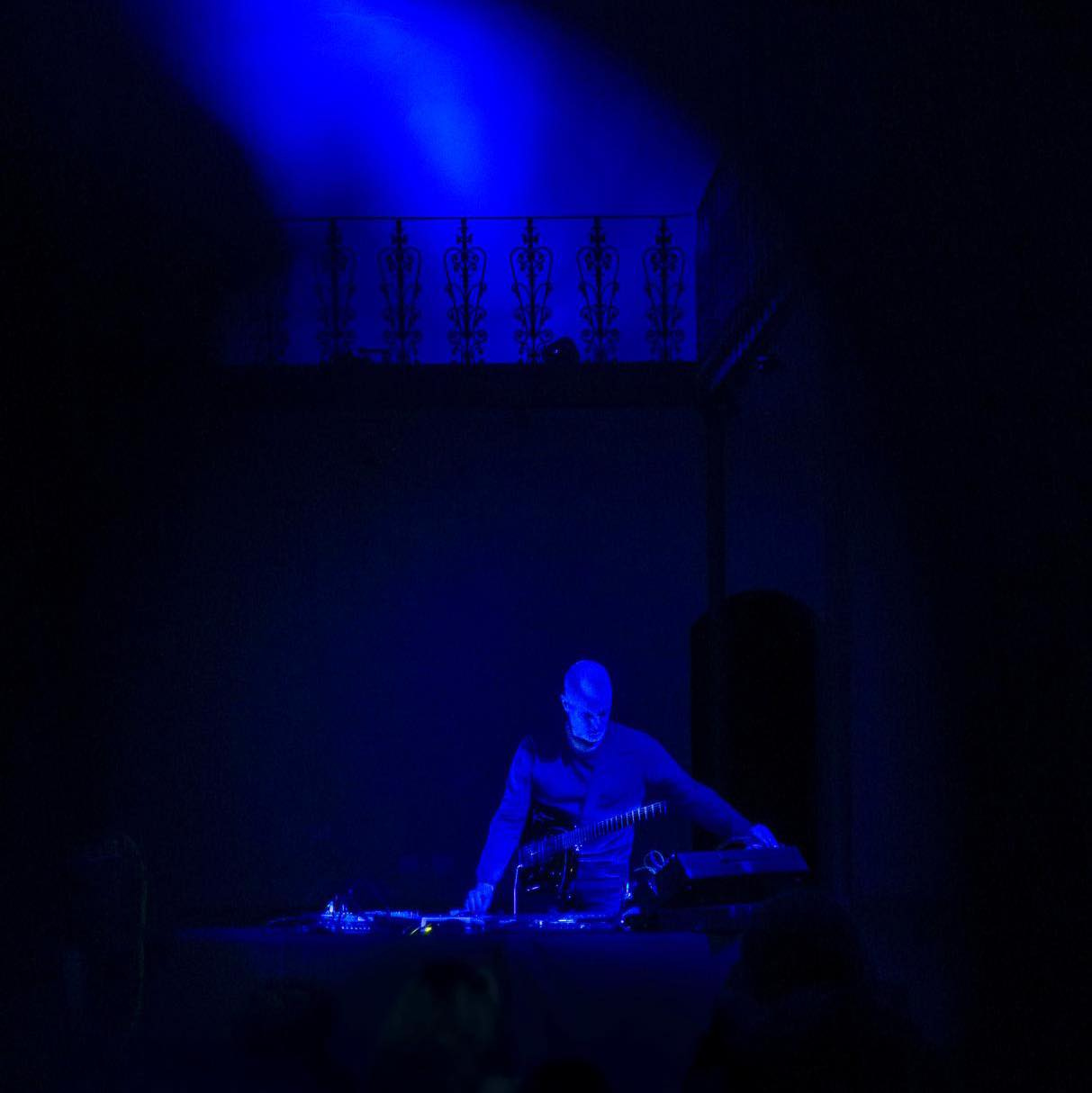
Se si vogliono chiamare in causa alcune prossimità, il nome di Robert Rich viene naturale, anche per la continuità concreta del rapporto artistico e per la sua presenza nel mastering. In certi passaggi si avverte quella stessa attenzione alla profondità del suono come ambiente respirabile, come organismo lento e pensante. In filigrana si può pensare anche a Lawrence English, per il modo in cui la pressione acustica diventa esperienza fisica e percettiva insieme. E in un punto più laterale si può persino sfiorare il nome di Alessandro Cortini, non tanto per una parentela diretta di lessico, quanto per l’idea di un’elettronica che conserva il segno dell’umano, dell’imperfezione, della memoria. Le parentele, in ogni caso, servono fino a un certo punto. Formentini resta dentro una voce sua, che arriva da lontano e che negli anni ha trovato un accento sempre più netto.
C’è poi un aspetto che conta. Angel Lost conferma che l’avvicinamento di Formentini a una dimensione più apertamente contemporanea coincide con un approfondimento del suo linguaggio, non con un irrigidimento. La sua musica continua a respirare, a trattenere una quota d’intuizione, a lasciare spazio all’ombra e all’imprevisto. Questo lo distingue da molta elettronica di ricerca che si accontenta del bel suono e da molta composizione colta che finisce per perdere contatto con il corpo dell’ascolto. Formentini tiene insieme i due lati. Sa costruire, sa lasciare accadere. E anche quando il pensiero è forte, il brano non smette di vivere come esperienza sensoriale. Le sue incursioni nel lavoro site specific, nelle arti visive, nei contesti performativi e installativi aiutano a capire da dove arrivi questa attitudine a pensare il suono come spazio e soglia.
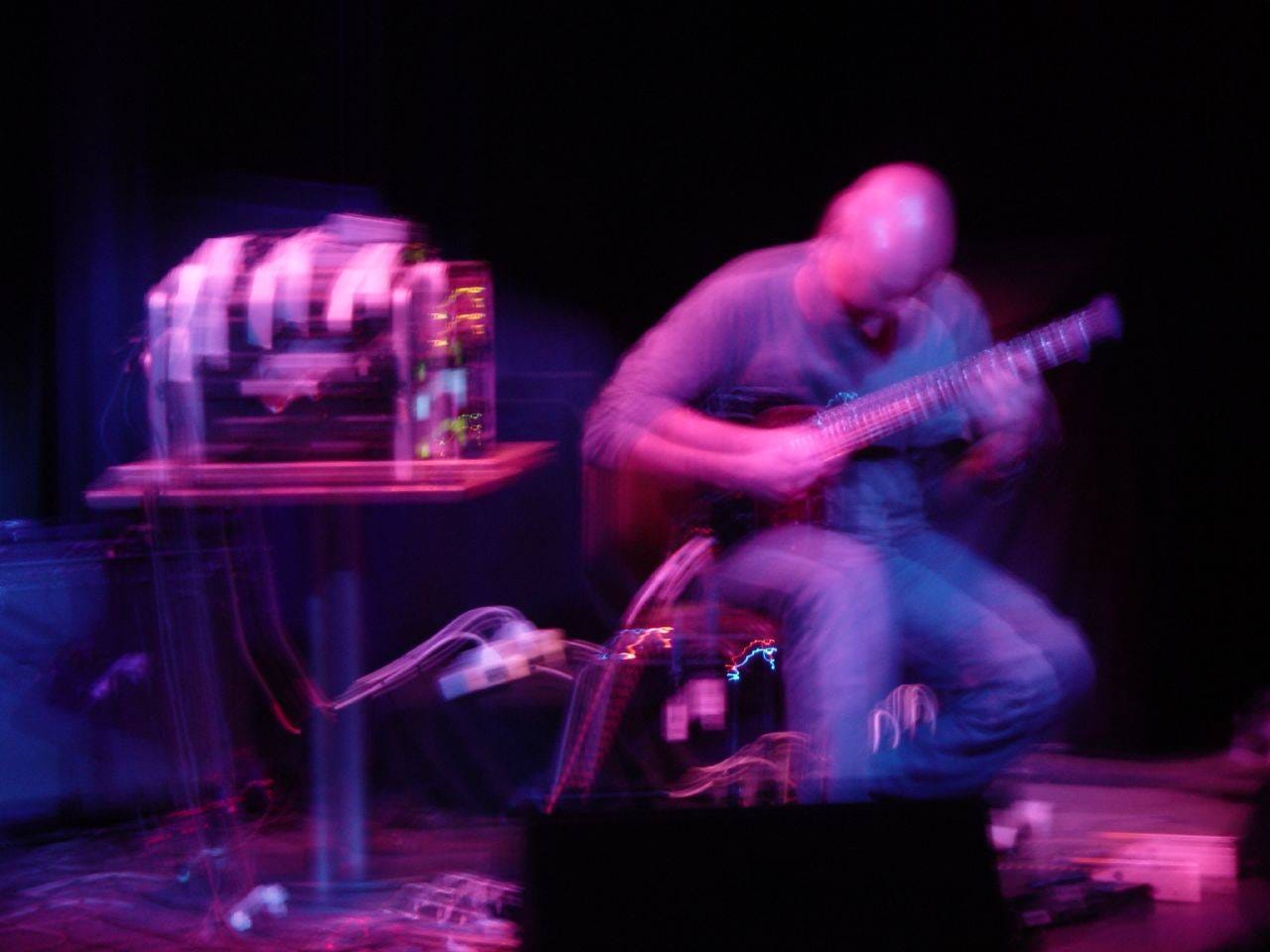
In definitiva Angel Lost è un’uscita breve, appartata, anche volutamente semplice nella forma in cui viene consegnata, e proprio per questo pesa. Non cerca di imporsi. Si deposita. Lavora in profondità. Dopo I Am Ghosts era lecito aspettarsi un’eco, un prolungamento, magari un frammento minore. Formentini invece tira fuori un pezzo che regge da solo, che riapre il discorso e gli dà un altro fuoco. È musica che ascolta il proprio tempo senza inseguirlo, che attraversa il disordine contemporaneo senza farsene travolgere, che prova a ritrovare un asse proprio mentre racconta lo smarrimento. Ed è forse questo il tratto più convincente del brano: la capacità di restare in bilico, con disciplina e intensità, lì dove oggi quasi tutti scelgono una posa.
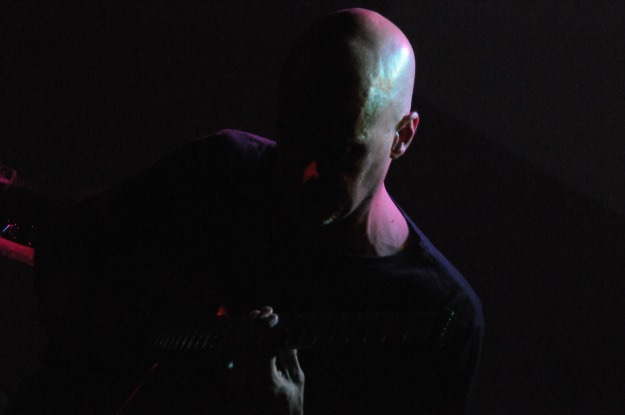
Luca Formentini arrives at Angel Lost by way of a path that, in recent years, has grown ever more distinct. Not only because of the quality of his releases, but because of the way his work has managed to bind together ambient music, timbral research, improvisation, installation, and a sensibility increasingly drawn toward certain territories of contemporary music. One need only look at his trajectory, at his collaborations with Robert Rich and Markus Stockhausen, at works conceived for spaces, images, and specific contexts, at a practice that for some time now has not revolved around genre so much as passed through it, leaving behind the comfortable fences of labels.
Within this frame, Angel Lost carries a precise weight. It does not feel like an afterthought casually appended to his I’m A Ghost. It seems instead like a shard left incandescent after that long passage, a piece born from the same inner temperature and choosing to appear on its own, without apparatus, almost with urgency. In the notes accompanying the release there is, in fact, the idea of a trace left by a process still open, of a resonance that continues to vibrate beyond the previous work. And this is its first virtue: the feeling of a necessary work, set in motion at the right moment, with that simplicity which so often belongs to the most self-aware records.
The private release link also helps bring the piece more sharply into focus. On SoundCloud, the track appears as Angel Lost_241219 260207_96 24_Master Draft, published on February 7, 2026, and the image is accompanied by the phrase Aleph, for the Lost Angel. It is a small detail only in appearance, because it opens a further fold in the meaning of the piece. Formentini’s lost angel remains a figure of disorientation, certainly, yet within that word one also senses a point of concentration, almost the idea of a center still thinkable within dispersion. Angel Lost thus acquires a different light. It is not merely the telling of a bewilderment. It is also the search for an axis, or at least for its memory.
The symbolic center of the piece remains strong and legible. The angel imagined by Formentini has nothing devotional about it. It is an off-kilter figure, suspended in a world that is ever more horizontal, saturated with polarizations, rigid postures, shouted allegiances. The image works because it remains open: it does not harden into heavy allegory, nor does it crush the piece beneath a theoretical program. Formentini lets it act like a magnetic field. Into it he places the fragility of the present, the loss of orientation, the difficulty of keeping one’s balance when everything stiffens and, at the same time, wavers. Here his movement toward a sensibility closer to contemporary music is clearly felt, though it never passes through academic taste. It comes, rather, through attention to form, to resonance, to sound as a space for thought.
On the sonic plane as well, the piece sustains this tension remarkably well. Yamaha CS50, Torso S4, modular system, electric guitar. The palette is chosen with great precision, and it already says much about his writing. The analog synthesizer brings a living, fleshly grain, with a depth that is nothing decorative. The modular introduces an inner motion, a fine, continuous instability. The guitar, which remains an essential signature of his language, brings everything back into contact with the hand, with gesture, with a physical dimension that prevents the sound from turning into mere backdrop. Formentini works through thickening, through pressure, through slight shifts in altitude. He does not seek the memorable theme. He seeks the emotional hold of timbre, its ability to create a mental space.
Perhaps the finest thing about Angel Lost lies precisely here: in the fact that it manages to speak of the present without turning into sociological commentary. The piece does not explain, does not decorate, does not strike a pose. It keeps a fissure open. It is heard as a suspended place between elevation and earthly weight, between a desire for verticality and the friction of the real. In the notes there is a very effective phrase, that of a sublime entity forced to reckon with hands of mud. Formentini translates this into music with restraint, allowing resonance itself to suggest the conflict. Here one hears his maturity. The sound remains dense, immersive, and yet never indulges in easy ecstasy.
If one wishes to invoke certain affinities, the name of Robert Rich comes naturally, not least because of the concrete continuity of their artistic relationship and his presence in the mastering. In certain passages one senses that same attention to the depth of sound as a breathable environment, as a slow and thinking organism. In filigree one might also think of Lawrence English, for the way acoustic pressure becomes at once a physical and perceptual experience. And at a more oblique point one might even brush against the name of Alessandro Cortini, not so much because of any direct kinship of vocabulary, but because of the idea of an electronics that preserves the mark of the human, of imperfection, of memory. Such affinities, in any case, only go so far. Formentini remains within a voice of his own, one that comes from afar and has, over the years, found an ever more sharply defined accent.
There is, moreover, another aspect that matters. Angel Lost confirms that Formentini’s movement toward a more openly contemporary dimension coincides with a deepening of his language, not with a stiffening of it. His music continues to breathe, to retain a measure of intuition, to leave room for shadow and the unforeseen. This sets him apart from much exploratory electronics that settles for beautiful sound, and from much cultivated composition that ends up losing contact with the body of listening. Formentini holds the two sides together. He knows how to construct, and he knows how to let things happen. And even when the thought is strong, the piece never ceases to live as a sensory experience. His incursions into site-specific work, visual arts, performative and installation contexts help explain where this aptitude comes from: an aptitude for thinking of sound as space and threshold.
In the end, Angel Lost is a brief, secluded release, one also deliberately simple in the form in which it is delivered, and for that very reason it carries weight. It does not seek to impose itself. It settles. It works in depth. After I Am Ghosts, one might fairly have expected an echo, an extension, perhaps a lesser fragment. Instead, Formentini brings forth a piece that stands on its own, that reopens the discourse and gives it another fire. This is music that listens to its own time without chasing it, that passes through contemporary disorder without being overwhelmed by it, that tries to recover an axis at the very moment it tells of bewilderment. And this is perhaps the most convincing trait of the piece: its ability to remain poised, with discipline and intensity, exactly where today almost everyone chooses a pose.